
Columbretes Islands
Description
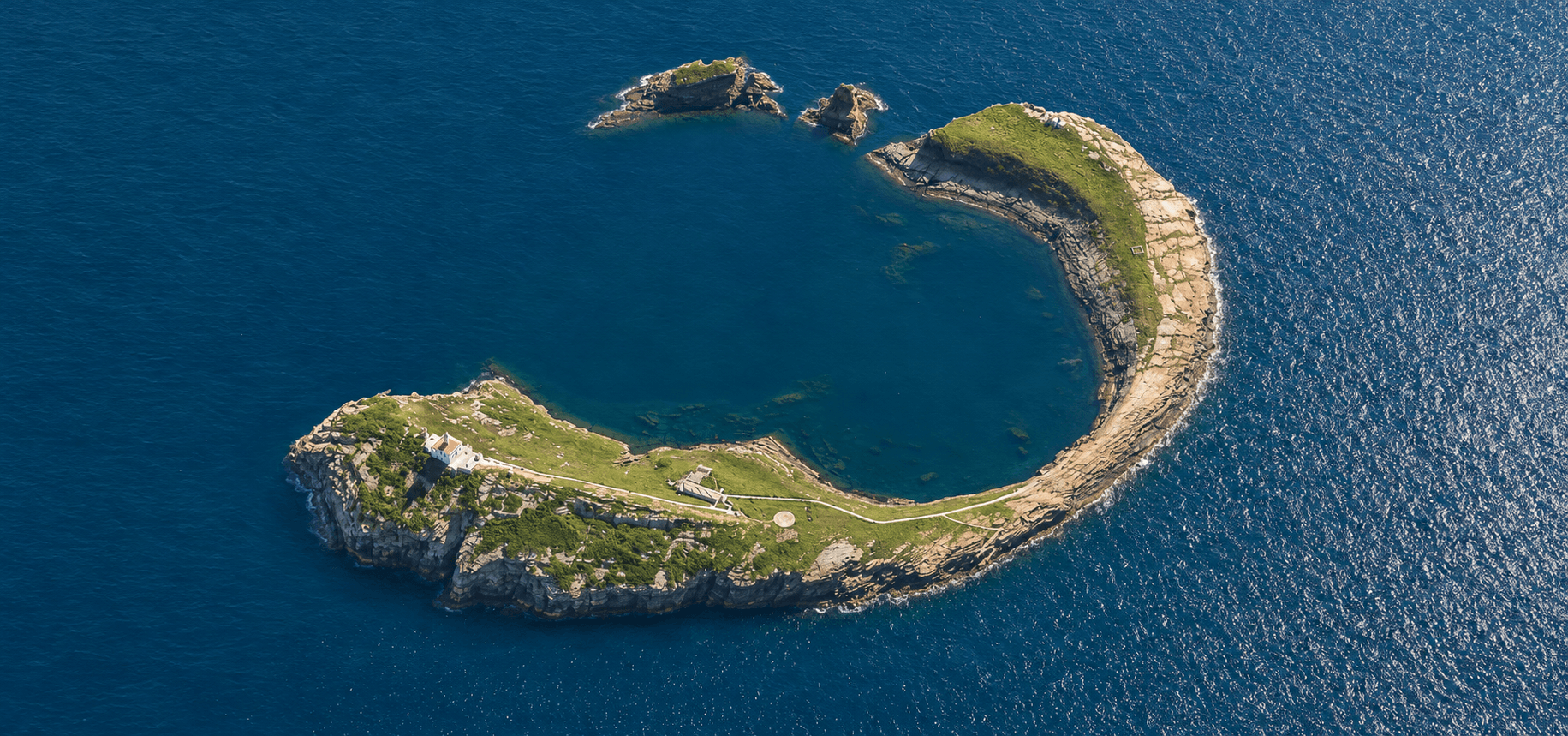
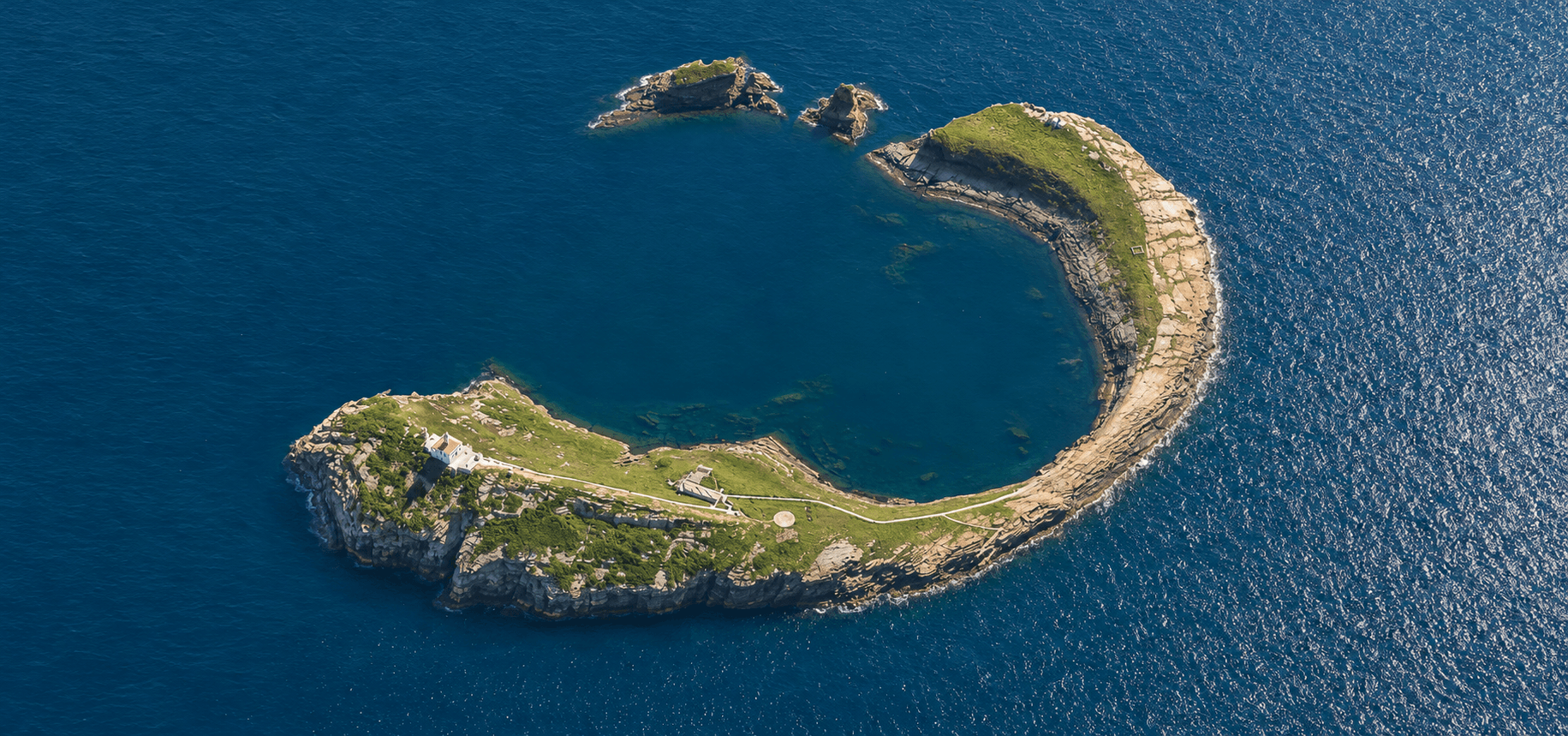
Out in the middle of the Mediterranean, 49 kilometres off the coast of Orpesa, rise the Columbretes, a handful of small volcanic islands belonging to Castelló de la Plana. Today nobody lives on them permanently: only teams of wardens and scientists, working in shifts all year round, look after an environment that enjoys the highest level of protection. The Columbretes Islands Nature Reserve was declared in 1988 and, in 1995, the surrounding waters were added as a marine reserve.
Their story begins much earlier. The Greeks and Romans already knew these islets, and writers such as Strabo and Pliny the Elder recorded something that struck them forcefully: the enormous number of snakes that lived there. Hence the names by which they were known in antiquity, Ophiusa in Greek and Colubraria in Latin, as well as the present-day name, which comes from coluber, the Latin word for snake.
The landscape changed in the mid-19th century, when a lighthouse was built on Illa Grossa. With it came a small community charged with maintaining it, which also served to deter the smugglers who sought refuge among the islets. These settlers brought farm animals with them, pigs included, and burned the original scrubland on the lighthouse island, partly to grow crops and partly to deliberately wipe out the abundant snub-nosed vipers that lived there.
The combination proved fatal: by the end of the 19th century, the snakes that had given the archipelago its name had disappeared. Only one witness remains of that former abundance, a preserved viper from the Columbretes kept at the National Museum of Natural Sciences in Madrid. Knowing this story adds another layer to a visit to a place that is protected today precisely so as not to repeat the mistakes of the past.
Community photos
Log in to upload your photos of this place.
Best time to visit
Spring and autumn, to avoid the heat and the summer crowds on the coast.
Location
More nature nearby
 Natural park
Ebro Delta
The third-largest delta in the Mediterranean and the biggest wetland in Catalonia: a spit of land that the Ebro pushes out into the sea, a refuge for a unique natural world.
 Island
Isla de Tabarca
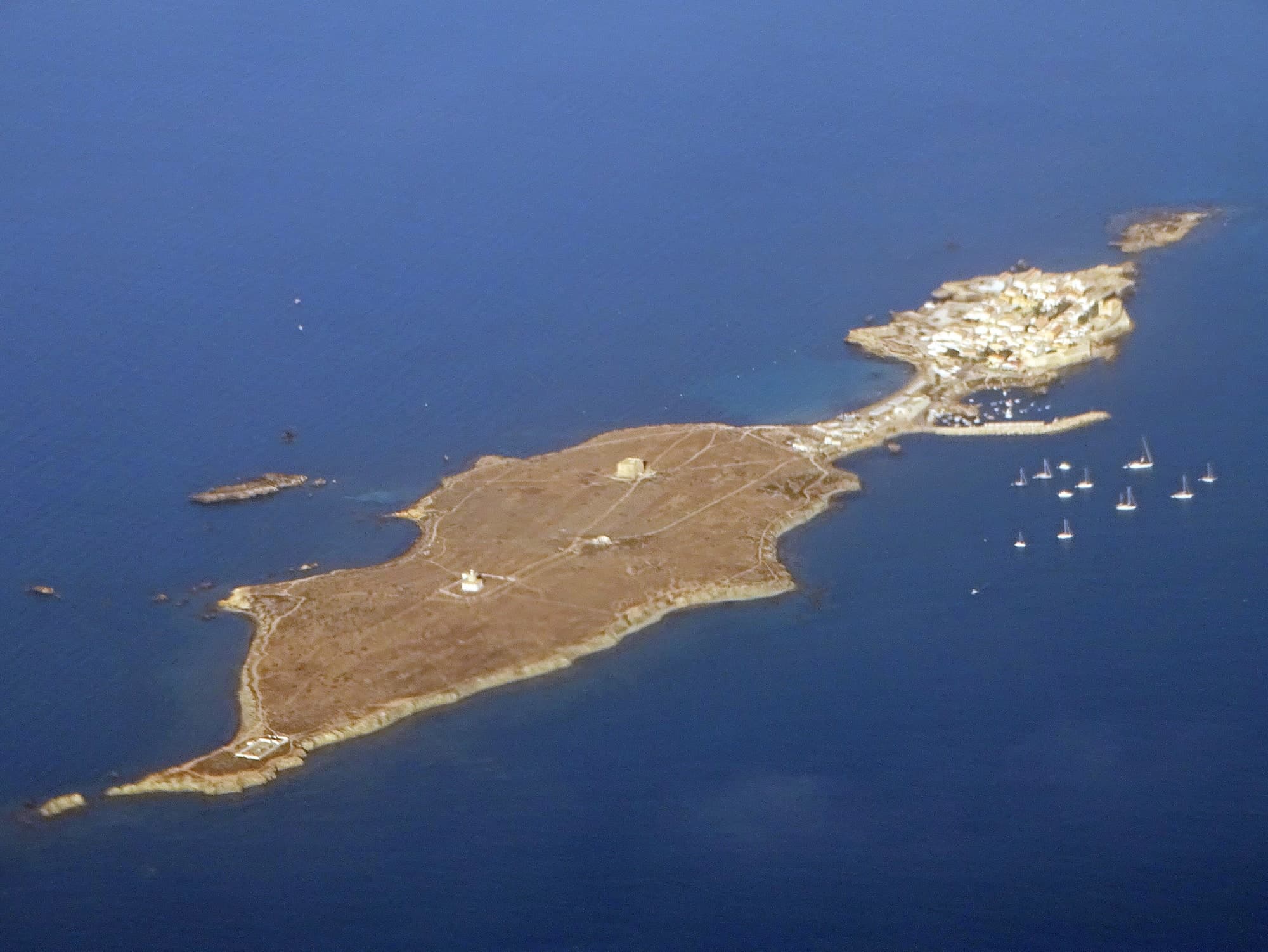
La isla más grande de la Comunidad Valenciana y la única habitada, un pequeño pueblo rodeado de Mediterráneo a pocas millas del cabo de Santa Pola.
 Cave
Cuevas del Drach
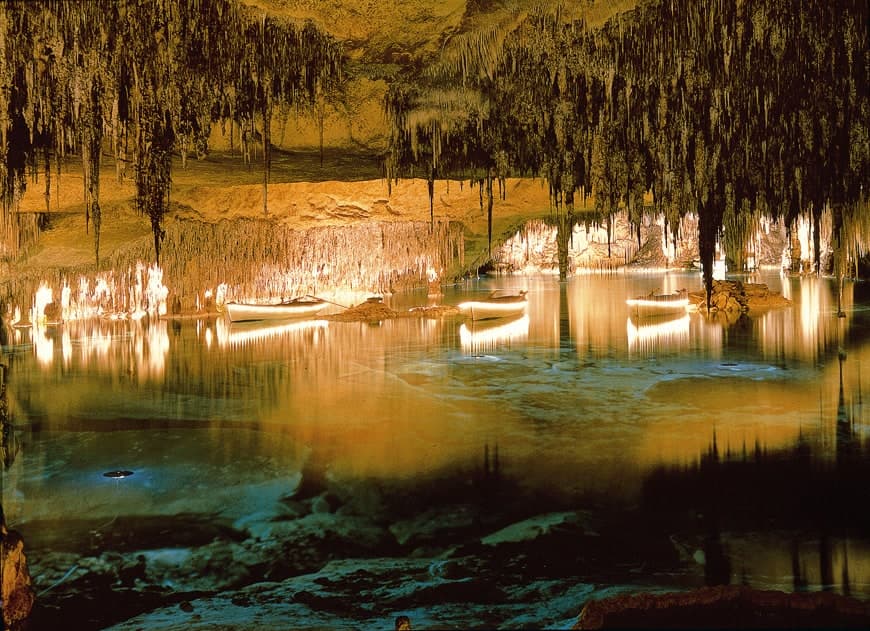
Cuatro cuevas conectadas junto a Porto Cristo, modeladas por el agua de lluvia quizá desde el Mioceno, que se recorren a lo largo de más de un kilómetro bajo tierra mallorquina.
 Rock formation
Ciudad Encantada
Un laberinto de rocas calizas modeladas durante miles de años por el agua, el viento y el hielo, escondido entre los pinares de la serranía conquense.