
Cíes Islands
Description
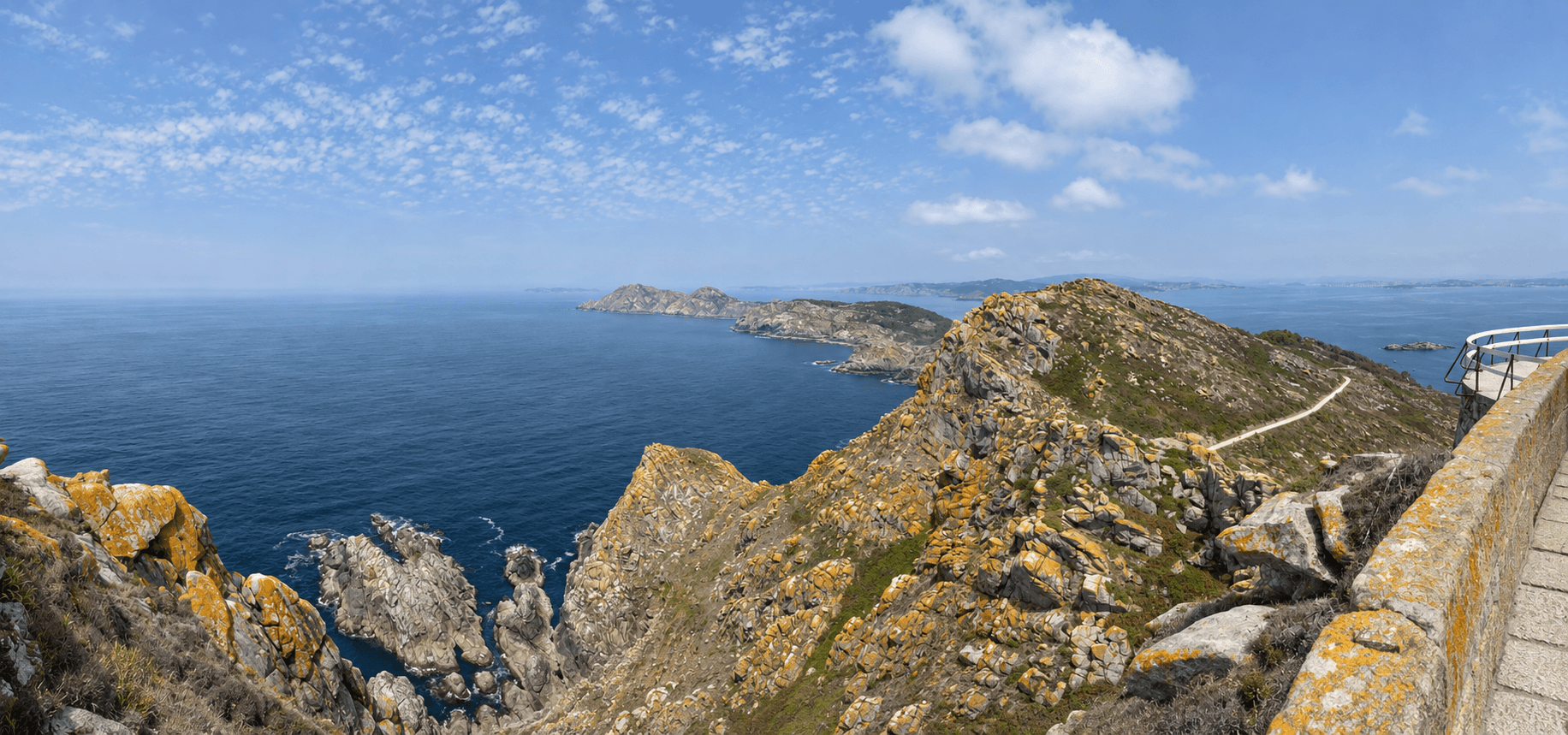
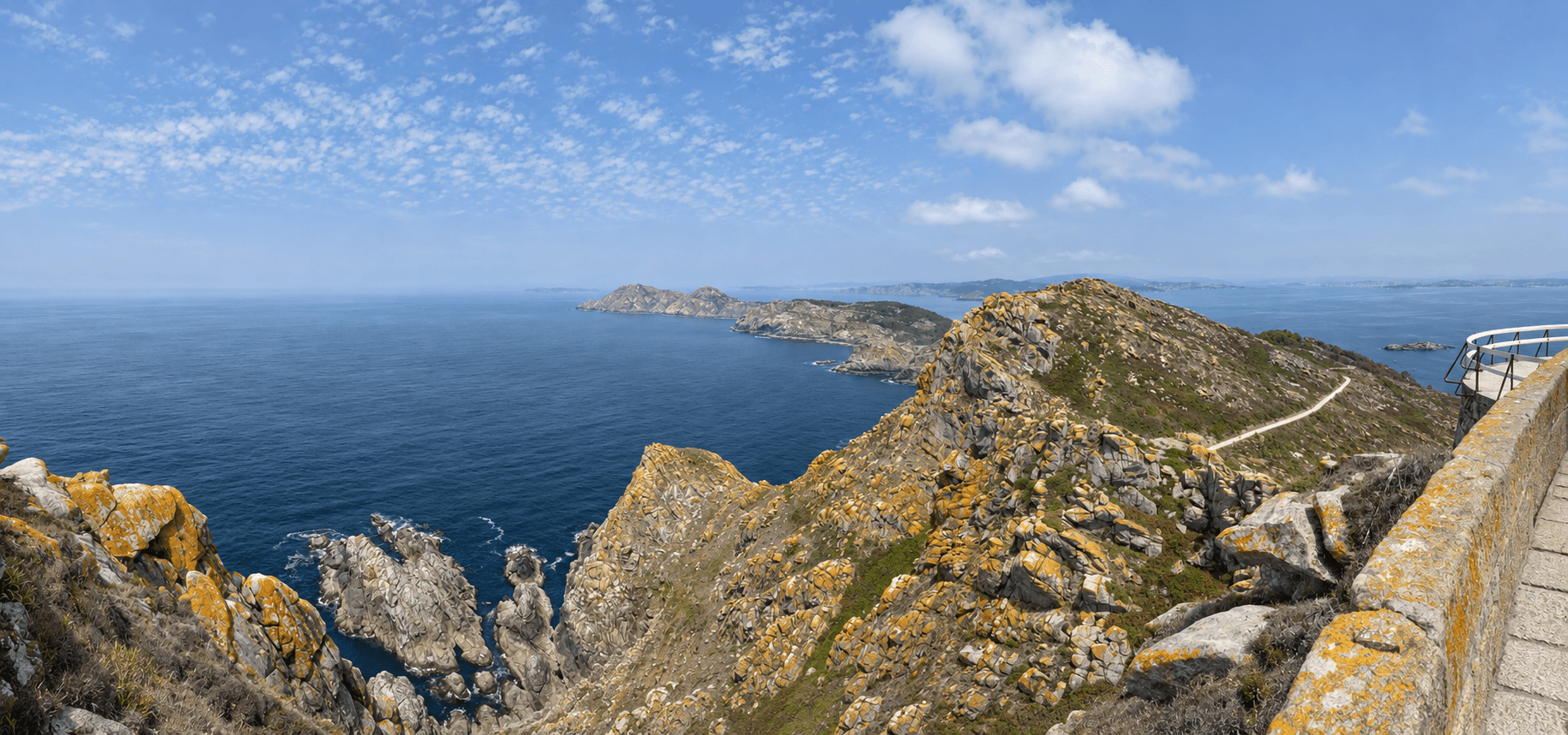
One look at Rodas Beach is enough to understand why the Cíes Islands are so famous. This long stretch of sand, which naturally links two of the archipelago's islands, was named the best beach in the world by the British newspaper The Guardian in 2007. Years later, in 2024, The Times and the French broadcaster TF1 put the islands back in the spotlight by dubbing them the "European Caribbean". Praise aside, what awaits visitors is an Atlantic landscape of clear waters and fine sand in the heart of the Ría de Vigo.
The archipelago is made up of three islands: the North Island, also known as Monteagudo; the Middle Island, known as do Faro; and the South Island, or San Martín. The first two are joined by the Rodas sandbank itself and by a man-made breakwater. Their layout is no accident: the islands follow a system of faults running parallel to the coast, from north to south, which explains their elongated silhouette off the shore.
Getting there is part of the experience. The Cíes lie around 14.5 kilometres from Vigo, the municipality they belong to, and the boat trip takes roughly three quarters of an hour. The crossing through the ría lets you watch the islands grow on the horizon until their beaches and contours come into view.
The protection of this area goes back a long way. In 1980 the islands were declared a natural park, and since 2002 they have formed part of the Atlantic Islands of Galicia National Park. Their value has also led to efforts to gain international recognition: in 2013 the process began for a World Heritage bid, and in 2017 the Xunta de Galicia asked the Ministry of Culture to put forward the entire park to UNESCO. It is therefore worth visiting them with the respect that a natural site of this calibre deserves.
Community photos
Log in to upload your photos of this place.
Best time to visit
From May to September, to avoid the more frequent rain of the rest of the year.
Location
More nature nearby
 Beach
Playa de Rodas
La playa más extensa de las Islas Cíes, en la isla de Monteagudo, un arenal privilegiado frente a Vigo que bien merece la travesía.
 Waterfall
Cascada del Ézaro
El río Xallas se despeña directamente hacia el mar en la cascada del Ézaro, un espectáculo singular de la costa coruñesa que puede contemplarse en cualquier época del año.
 Canyon or gorge
Cañón del Sil
Garganta excavada por el río Sil en plena Ribeira Sacra, con paredes de más de 500 metros, viñedos que bajan hasta el agua y paseos en catamarán entre Ourense y Lugo.
 Rock formation
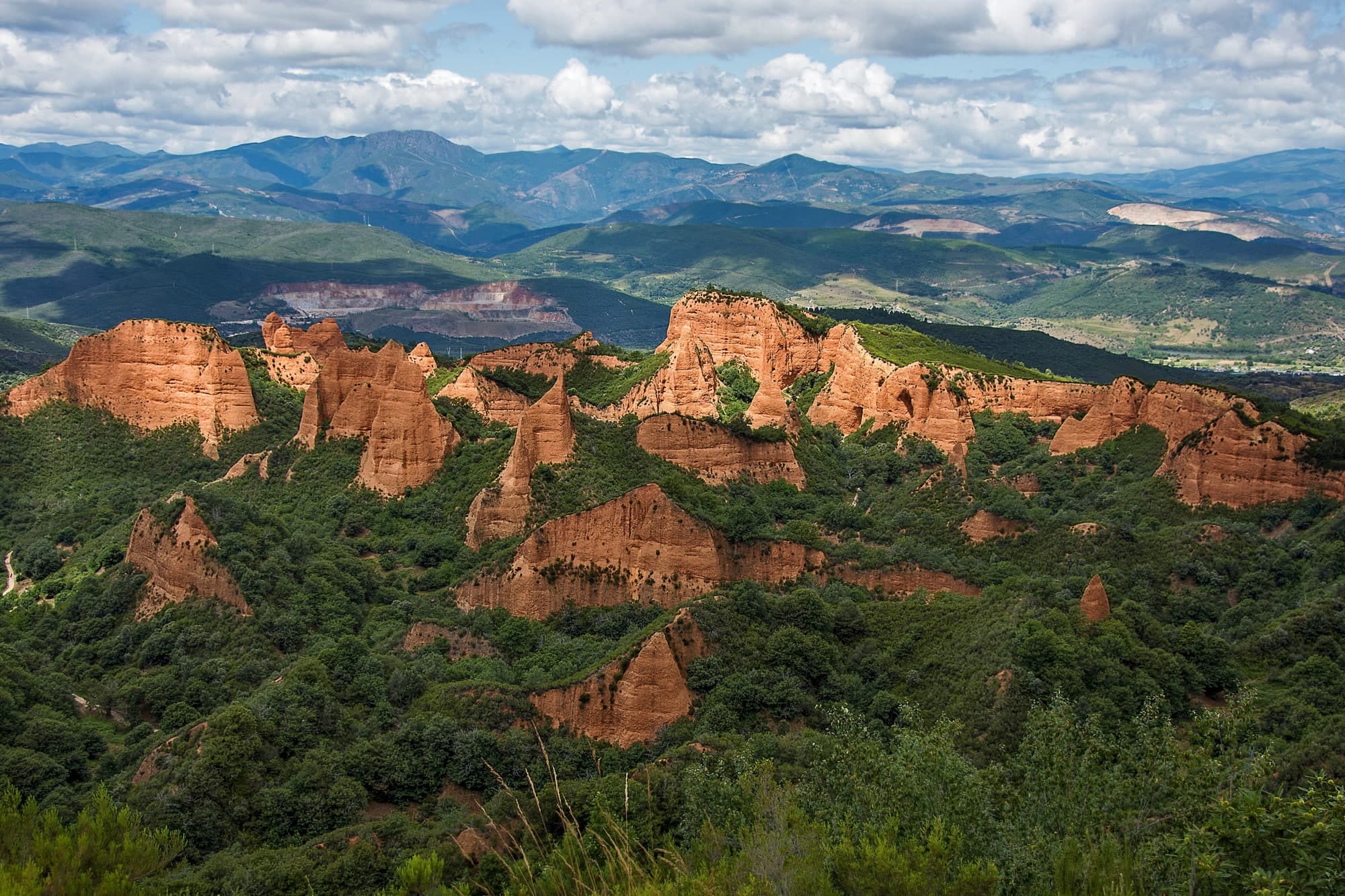
Las Médulas
La mayor mina de oro a cielo abierto del Imperio romano dejó en El Bierzo un paisaje de arenas rojizas, castaños y robles declarado Patrimonio de la Humanidad.