
Hermitage of Sant Roc de Ternils
Description
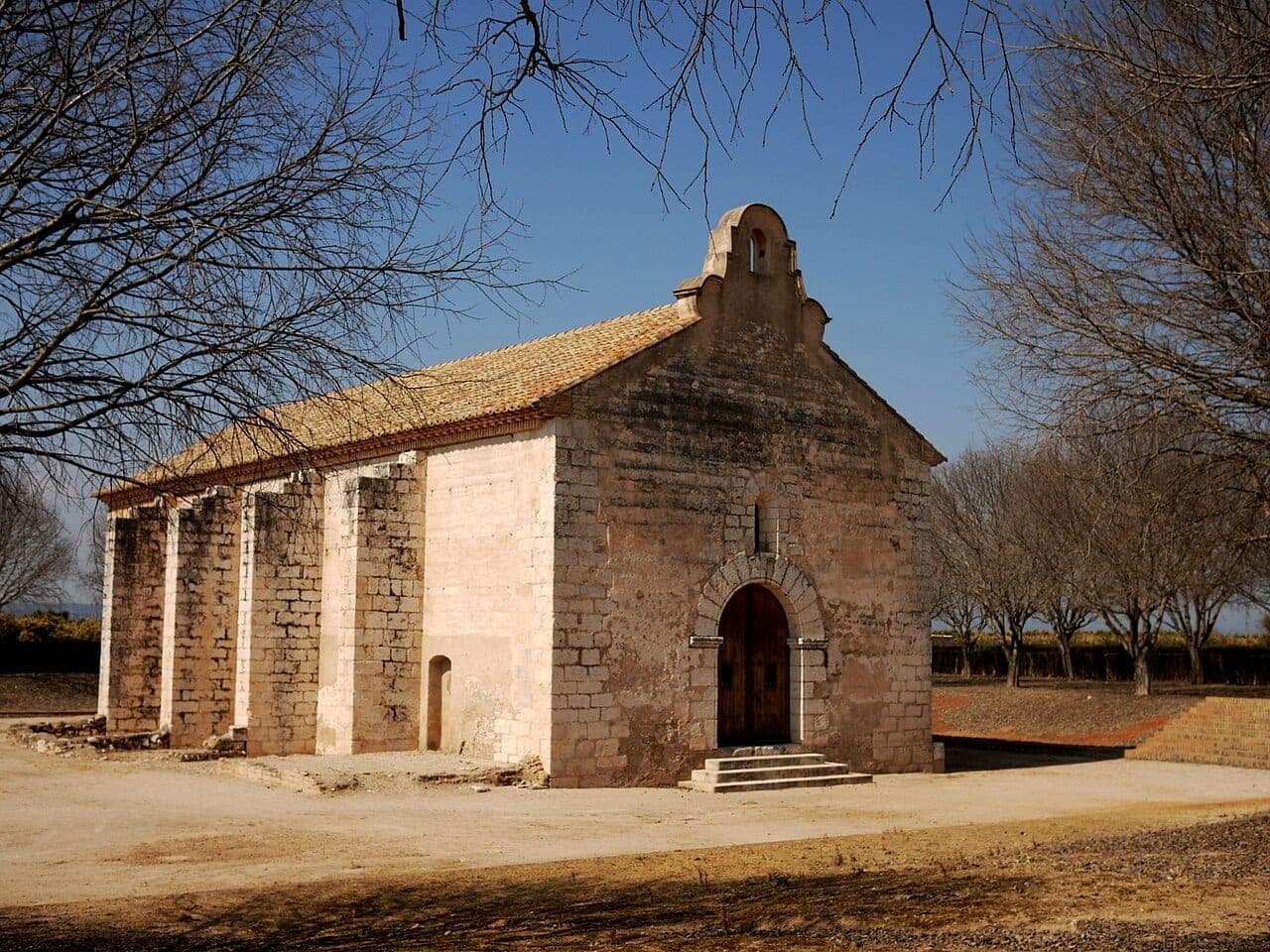
A short distance south of Carcaixent stands a small building that keeps alive the memory of a village that no longer exists. The Hermitage of Sant Roc de Ternils is the oldest building surviving in the municipality and the last trace of Ternils, a settlement that gradually emptied until it disappeared altogether in the 16th century.
What we now call a hermitage was originally the village church, built in the 13th century after the Christian conquest and dedicated at the time to Saint Bartholomew. It was no ordinary church: it was the first Christian parish in the whole of the Huerta de Carcaixent. As the village was abandoned it lost its parish role and was reduced to a hermitage, the status it has kept to this day.
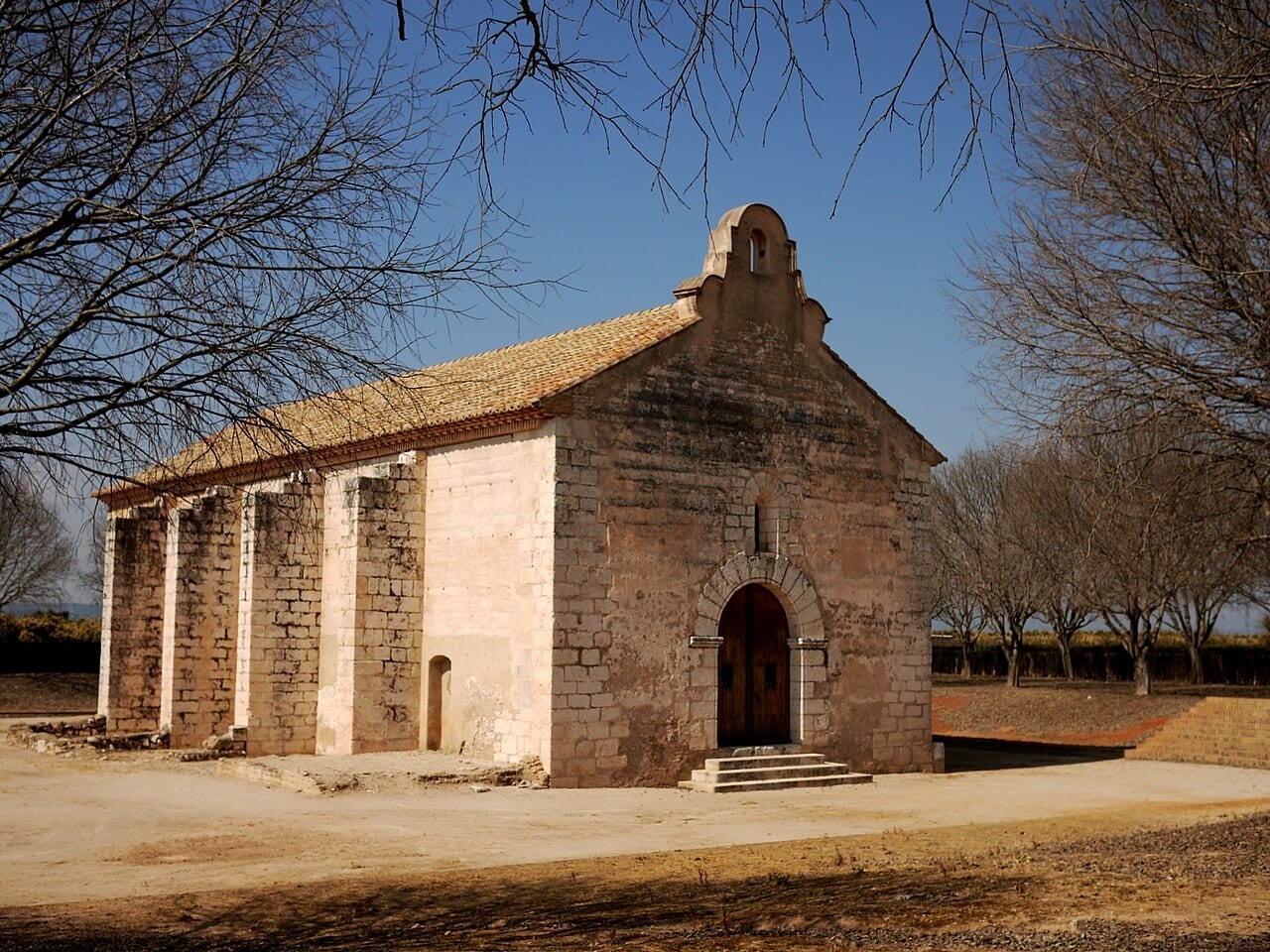
It belongs to the group known as the Reconquest churches, built in that early Valencian Gothic style that still carries echoes of the transition from Romanesque. Its layout is simple: a single rectangular nave with four pointed arches and a projecting chancel, also rectangular. Outside, look out for the buttresses and, above all, the Mudéjar cornice running beneath the gabled roof, where bricks in two colours alternate, laid on edge, horizontally and in a sawtooth pattern. The doorway, at the west end, is a round arch of large, irregular ashlar voussoirs resting on imposts extended by simple half-columns; above it, a small window lets light into the interior.
Inside, a surprise awaits. The exposed timber ceiling retains its original decoration of geometric motifs and lozenges bearing the four red and yellow bars. And since 2022 work has been under way to recover the original frescoes, a Last Supper dating from the 15th century, which gives you one more reason to visit this spot steeped in history.
Routes that include this monument
Community photos
Log in to upload your photos of this monument.
Best time to visit
Spring and autumn, to avoid the summer heat and the crowds on the coast.
Location
Similar monuments
 Castle
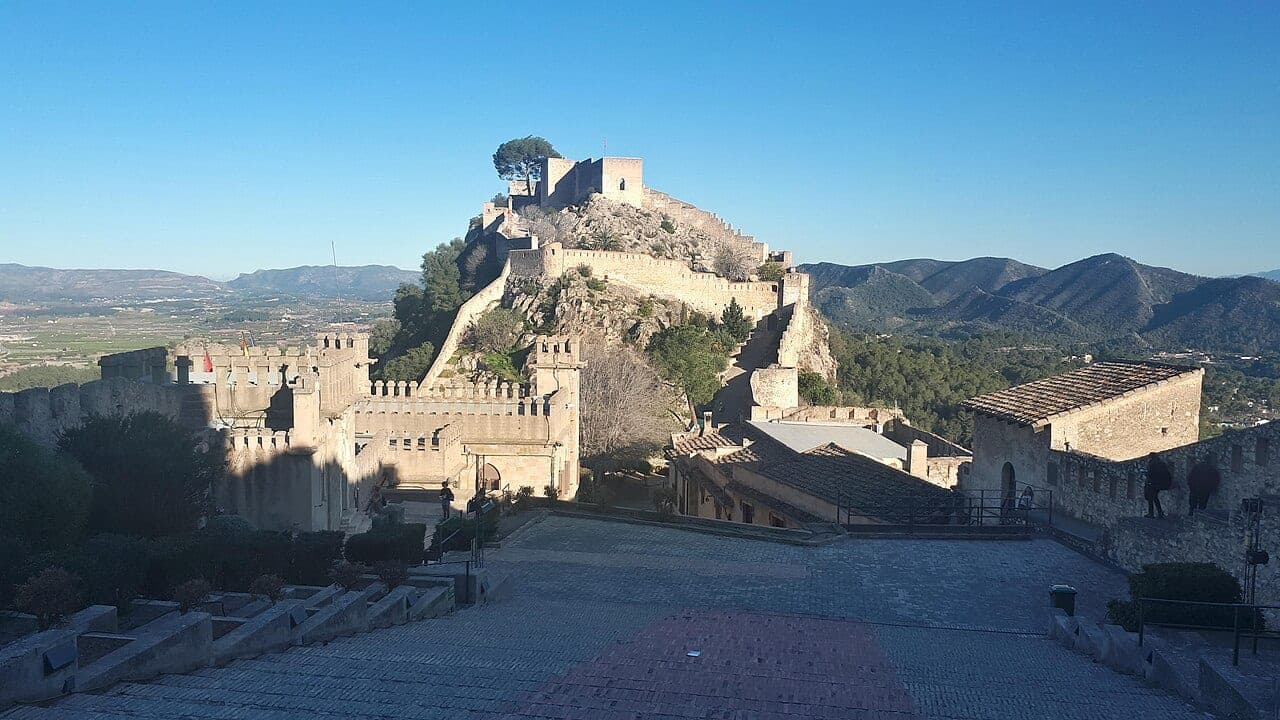
Xàtiva Castle
A double fortress in the Valencian Gothic style that crowns Xàtiva, facing the Serra Vernisa, and which the town has made the central emblem of its coat of arms.
 Monastery
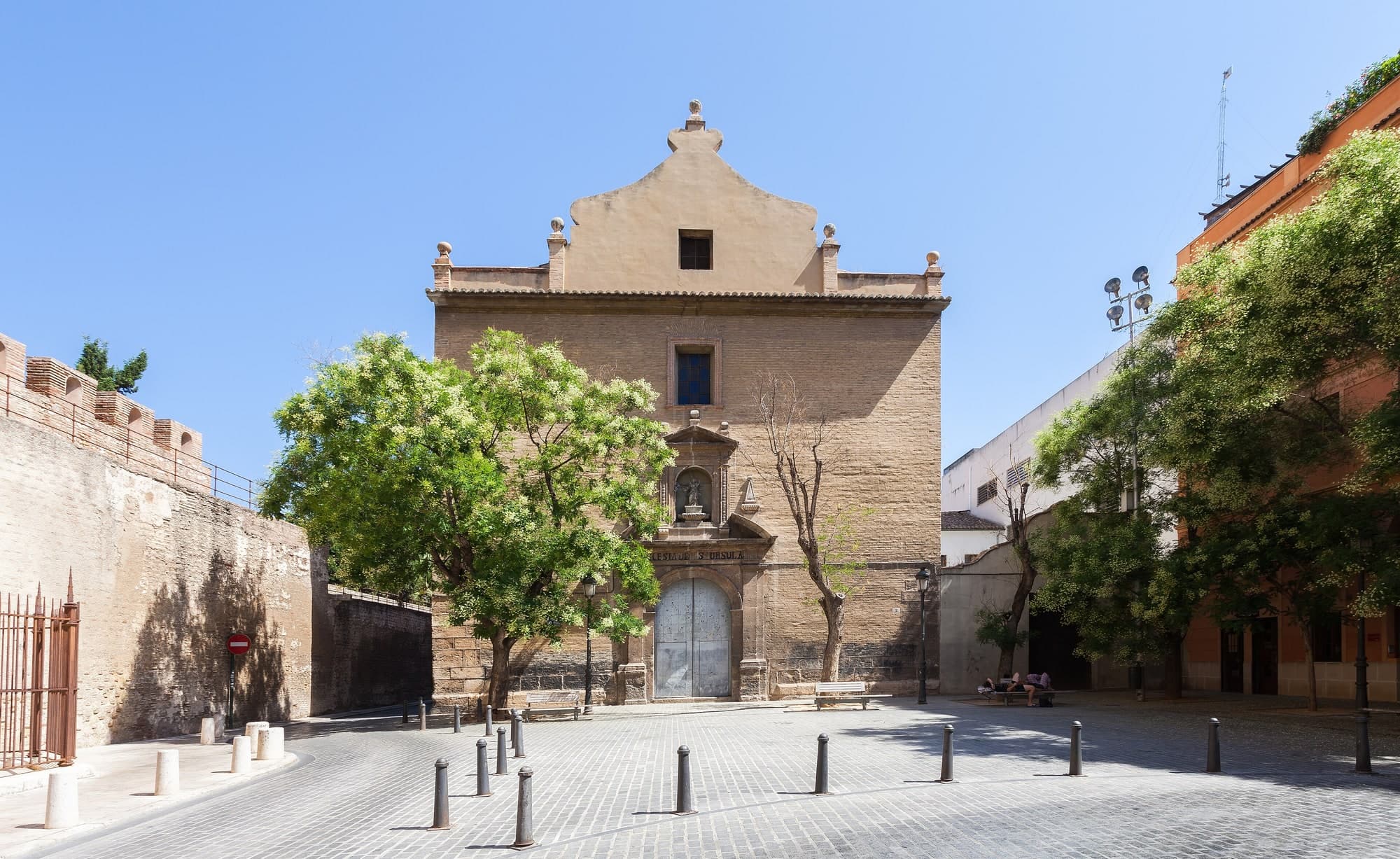
Convent of Santa Úrsula
A Catholic convent right in the centre of Valencia, dedicated to Saint Ursula, that invites you to pause and discover a quieter side of Valencia amid streets bursting with life.
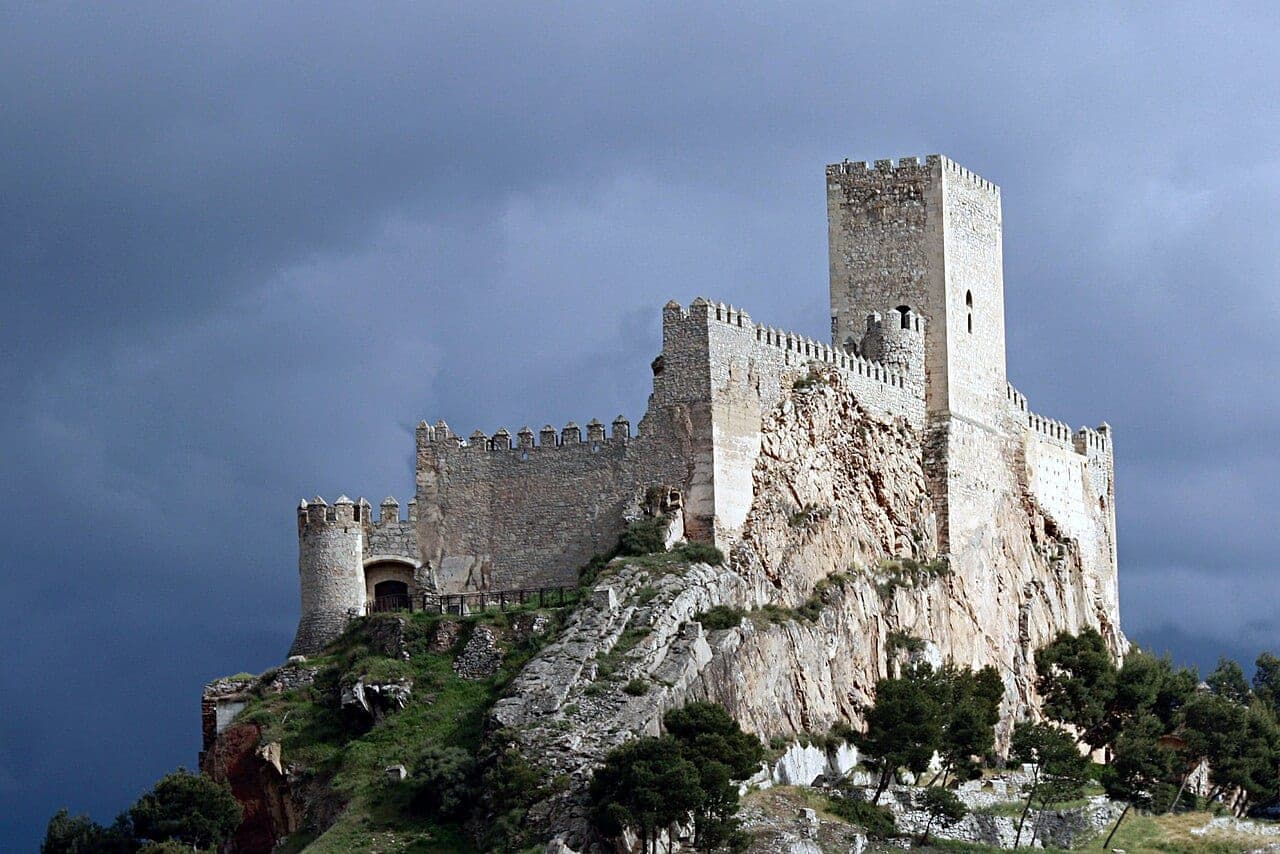 Castle
Almansa Castle
Almansa Castle, in the province of Albacete, is a Bien de Interés Cultural listed as a monument and an essential stop for anyone exploring the heritage of Castilla-La Mancha.
 Cathedral
Segorbe Cathedral
Segorbe Cathedral, built from the 13th century onwards alongside the town walls, boasts an unusual Valencian Gothic cloister with a trapezoidal plan that is striking in its simplicity.