
Toledo Cathedral
Description
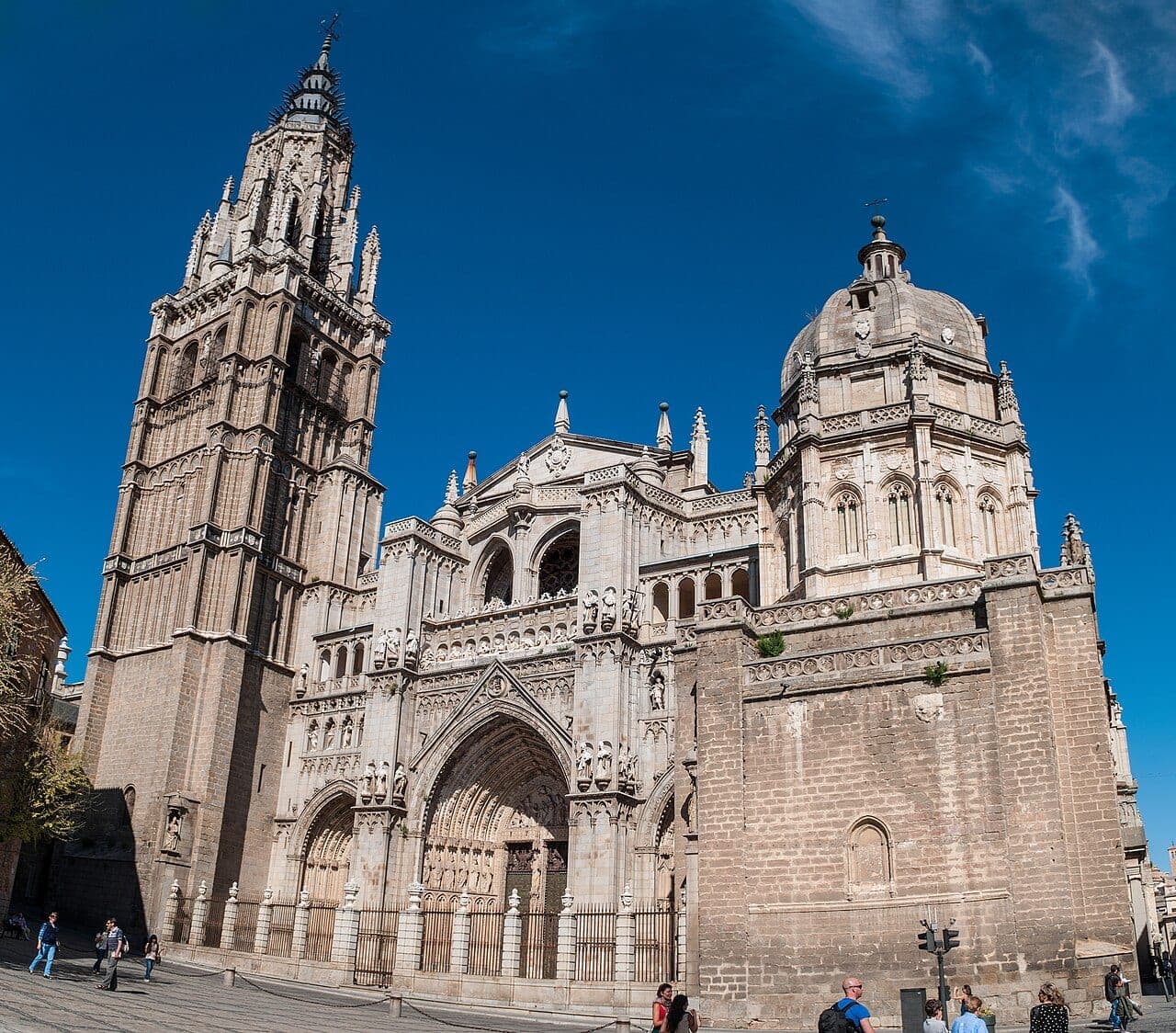
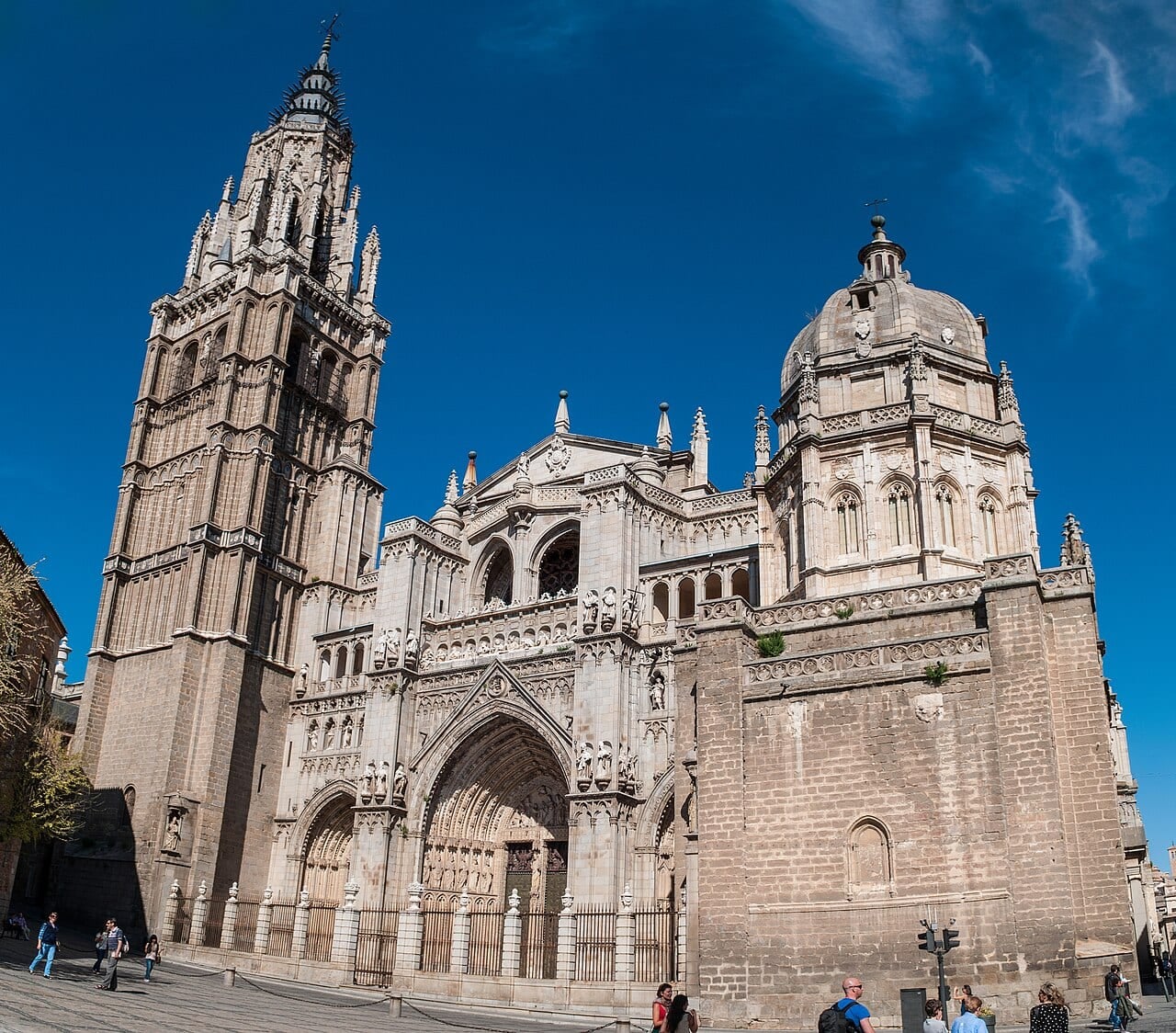
Few cathedrals bear a nickname as telling as Toledo's: since time immemorial it has been known as Dives Toletana, meaning 'the rich one of Toledo'. It is no coincidence. Some scholars regard it as the opus magnum of Gothic architecture in Spain, the building in which the style reached its most accomplished expression on the peninsula, and you need only stand before it to understand why it has earned such esteem.
Its official name is the Cathedral of Santa María, although it is also called the Primatial Cathedral of Spain, a title that recalls the historical weight of the see of Toledo. Today it remains the seat of the Archdiocese of Toledo, so this is no museum piece but a living church that still fulfils the purpose for which it was built.
The story of its construction is, in itself, a lesson in patience. Work began in 1226, during the reign of Ferdinand III the Saint, and its Gothic phase was not completed until the end of the 15th century. It was in 1493, in the time of the Catholic Monarchs, that the vaults at the western end of the nave were finally closed. Almost three centuries therefore separate the first stone from these last Gothic additions, a span that conjures up several generations of stonemasons, master builders and patrons all working on the same project.
The material is worth noting too. The cathedral is built of white stone from Olihuelas, in the municipality of Olías del Rey, very close to the city. It is this pale stone that gives the building its characteristic luminosity and that, seen from the narrow streets of the old town, makes the church seem to rise powerfully above the surrounding houses.
Anyone visiting Toledo will find it an essential stop: a compendium of Spanish Gothic, a witness to decisive reigns and the symbol of a city that for centuries was one of the country's great religious centres.
Routes that include this monument
Community photos
Log in to upload your photos of this monument.
Best time to visit
Spring and autumn (April–June and September–October), as summers are very hot and winters cold.
Location
Similar monuments
 Monastery
Convent of Santa Isabel de los Reyes
The Toledo convent of Santa Isabel de los Reyes, a worthwhile stop for anyone keen to discover the religious heritage of the Imperial City.
 Castle
Alcázar of Toledo
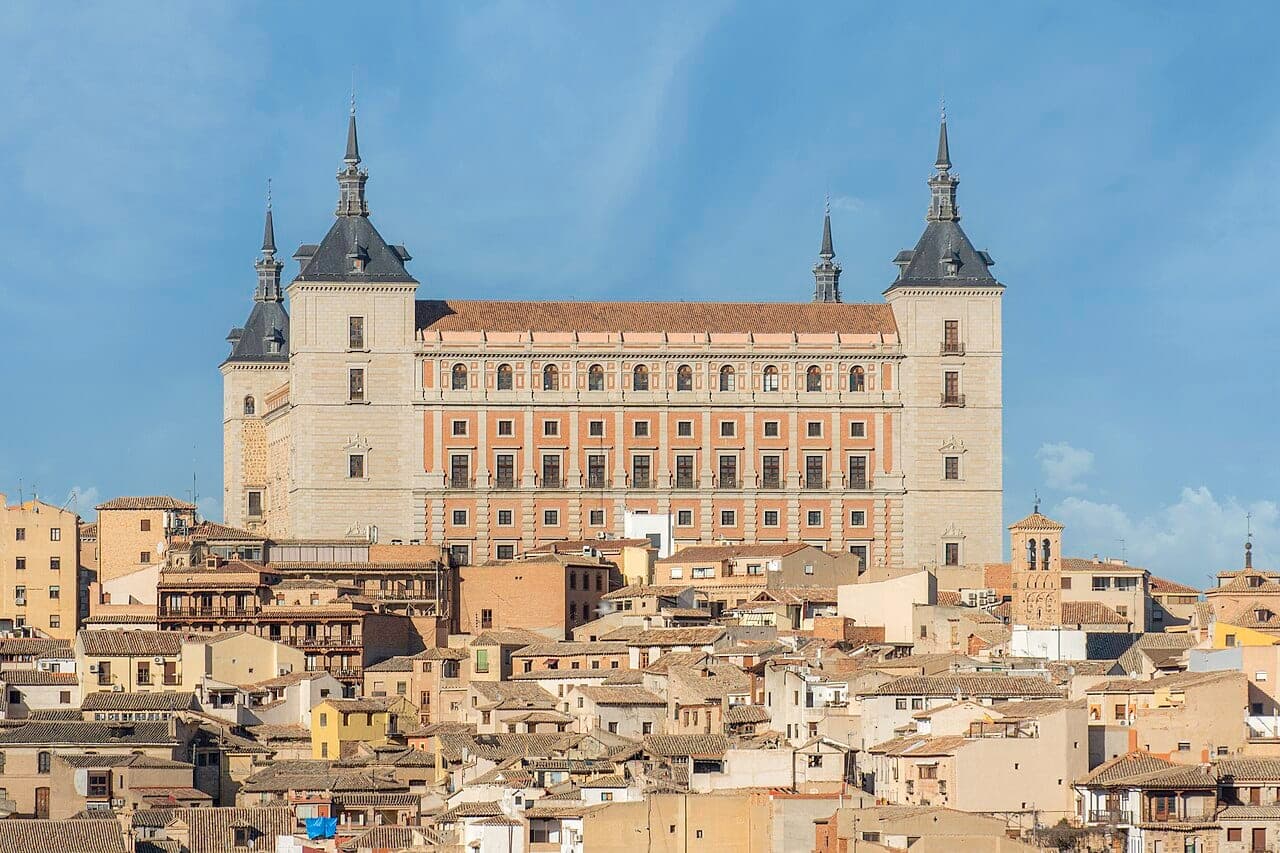
Crowning the highest point of Toledo, the Alcázar sums up centuries of history, from Roman palace to imperial residence, and today houses the Army Museum and the Library of Castile-La Mancha.
 Mosque
 of Cristo de la Luz
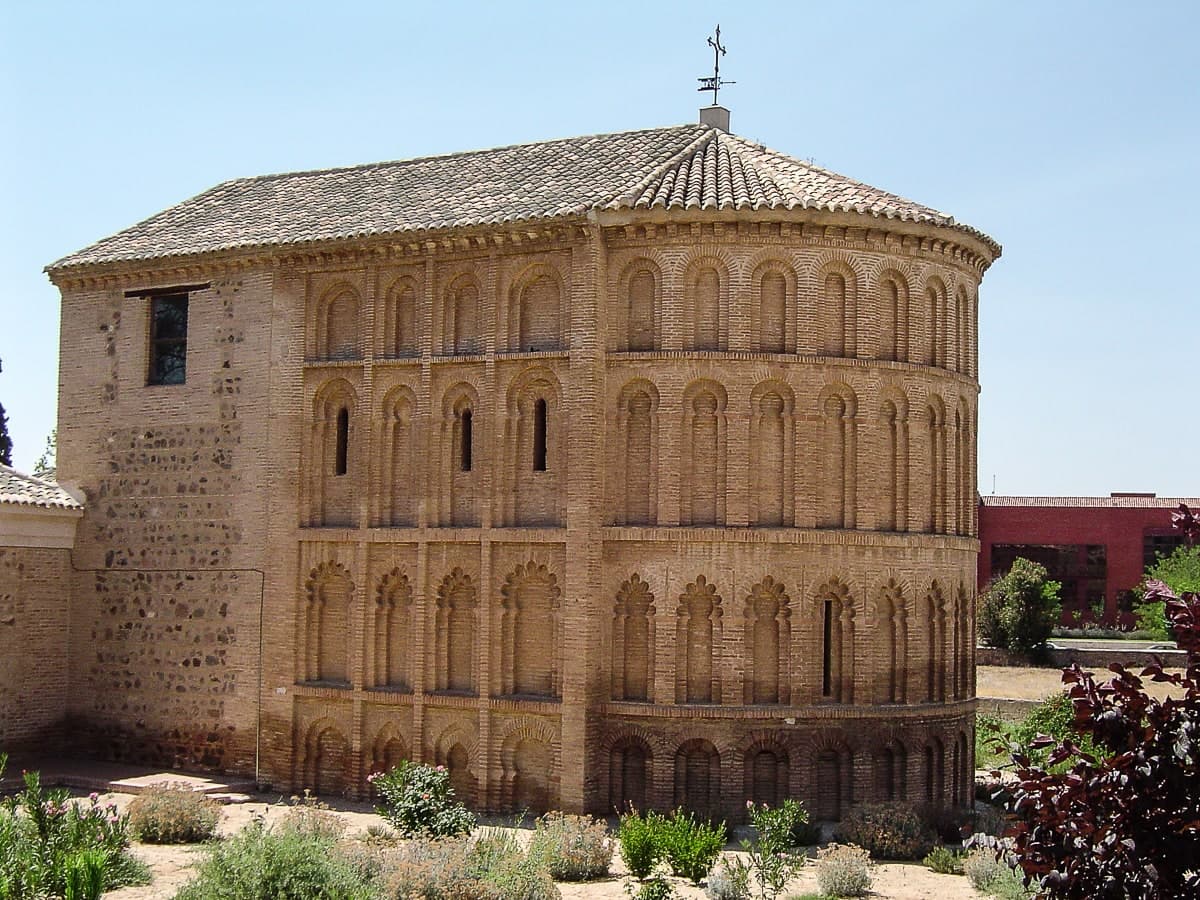
A small caliphal oratory dating from 999, set beside one of Toledo's ancient gates, it is the best preserved of the city's mosques and the birthplace of Mudéjar art.
 Hermitage
 of Cristo de la Vega
The Hermitage of Cristo de la Vega is one of Toledo's religious buildings, an evocative stop for anyone wishing to get to know the city beyond its most famous monuments.