
Pamplona Cathedral
Description
Few cathedrals offer such a window onto the daily lives of those who lived within their walls as Pamplona's does. As well as the church, cloister and sacristies you would expect in any major place of worship, the cellarium, refectory, chapter house and dormitory are still standing here – rooms tied to the communal life of the chapter that, in other Spanish cathedrals, gradually disappeared over the centuries. That is why it is regarded as the most complete cathedral complex surviving in the country.
The undisputed jewel is the cloister, built in the 14th century and considered a marvel of European Gothic, so much so that it is singled out as the finest of its century. It is well worth exploring at a leisurely pace before seeking out another rarity: the kitchen, one of only three surviving examples of a Gothic kitchen in the whole of Europe, and a remarkable testament to how a medieval community worked from the inside.
The building, dedicated to Santa María de la Asunción and now the seat of the Archdiocese of Pamplona and Tudela, is the product of several eras. Some Romanesque rooms still survive, but the overall tone is set by the Gothic of the 14th to 16th centuries, to which both the church and the cloister belong.
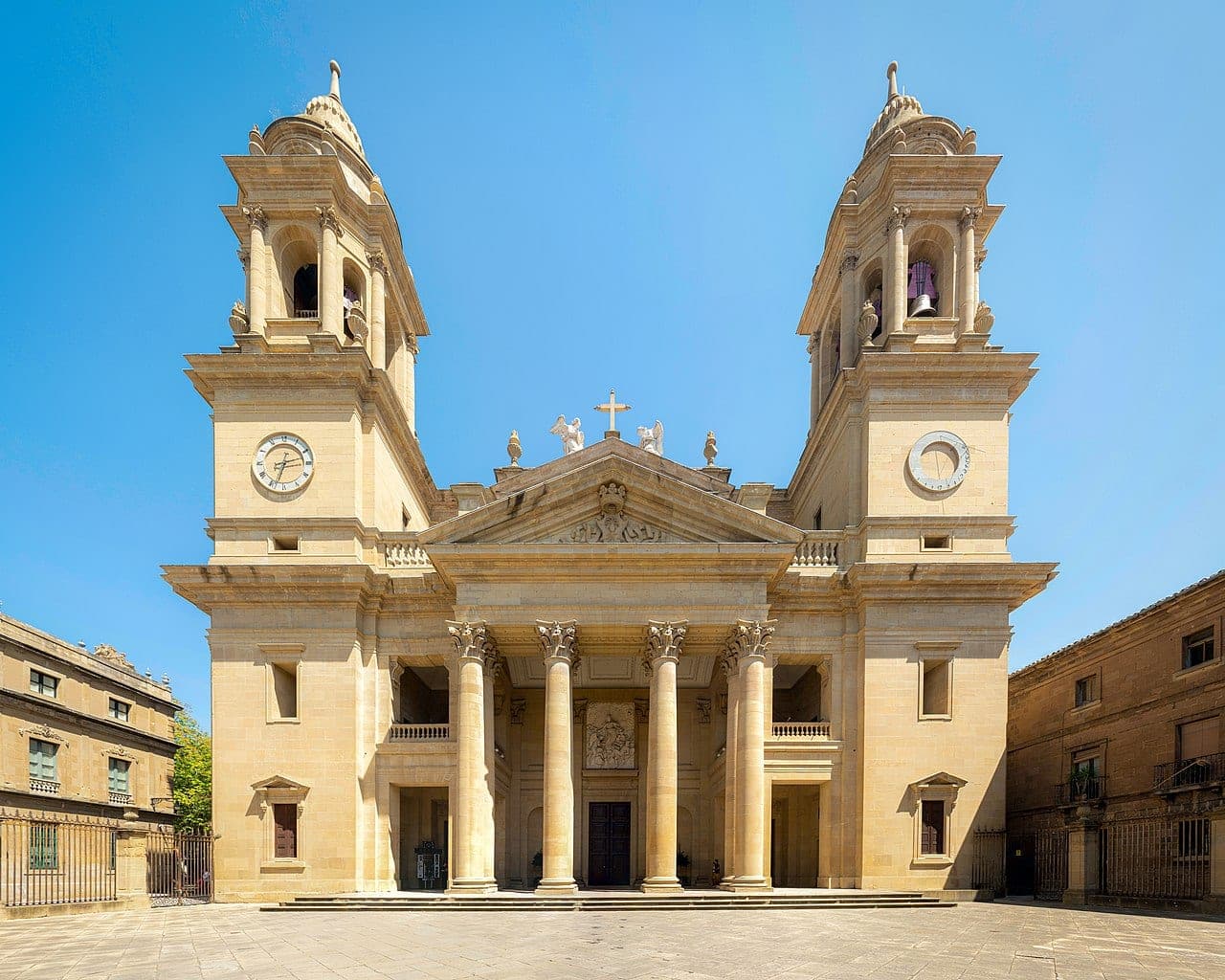
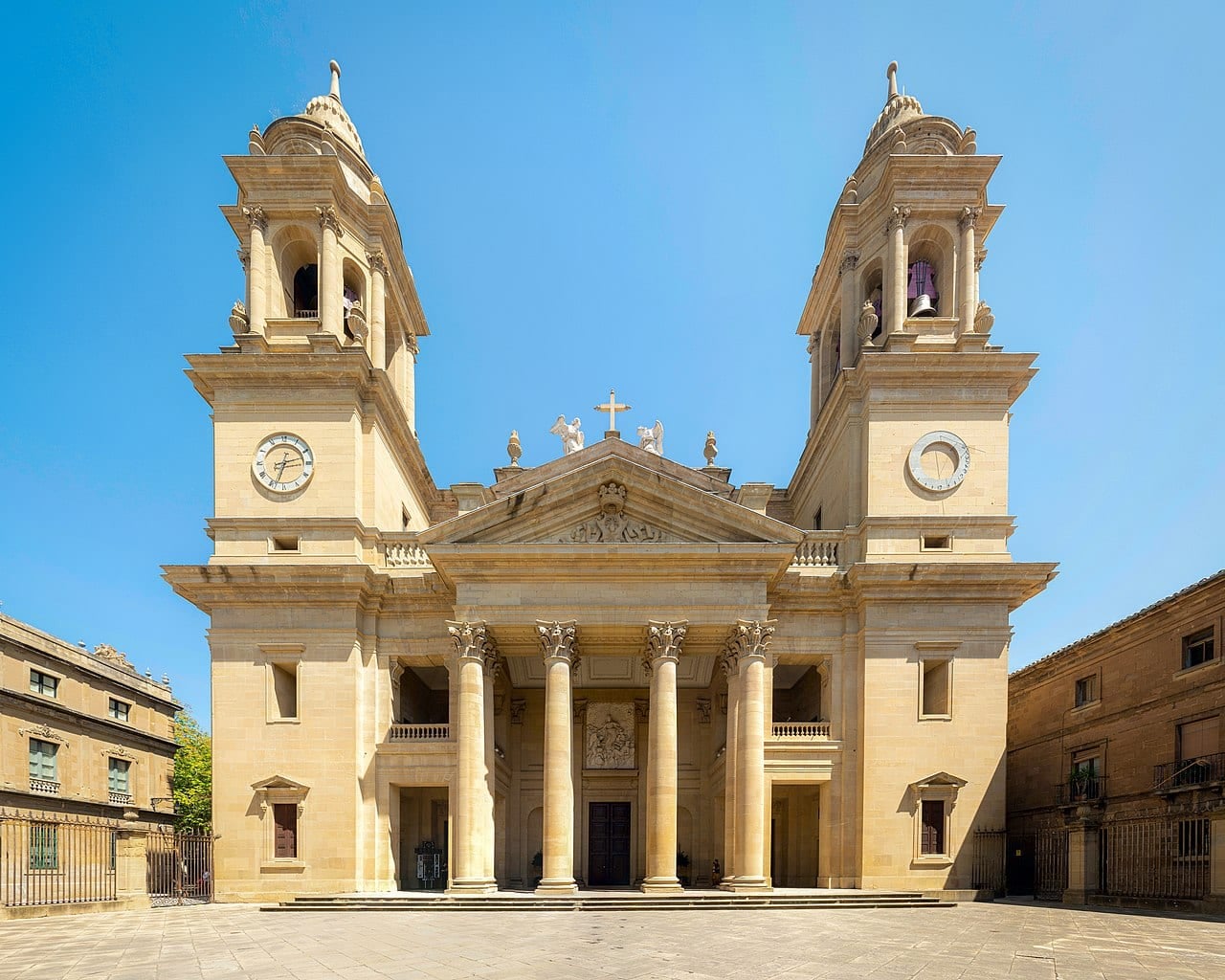
The contrast comes when you stand before the west front, the main façade, built at the end of the 18th century. Its clean, restrained neoclassical language makes it one of the purest and most representative works of the style on the Iberian Peninsula, and it serves as a surprising prelude to the medieval atmosphere that awaits inside.
It is no coincidence that in the mid-20th century it caught the attention of scholars such as the architect Leopoldo Torres Balbás, who studied it in depth, and the Hispanist Élie Lambert, born in Bayonne and a specialist in Spanish Gothic. A visit makes it clear why.
Routes that include this monument
Community photos
Log in to upload your photos of this monument.
Best time to visit
Spring and autumn (April–June and September–October).
Location
Similar monuments
 Cathedral
 of the Good Shepherd
San Sebastián's great neo-Gothic cathedral, the largest church in Gipuzkoa, whose soaring silhouette dominates the centre of the city.
 Cathedral
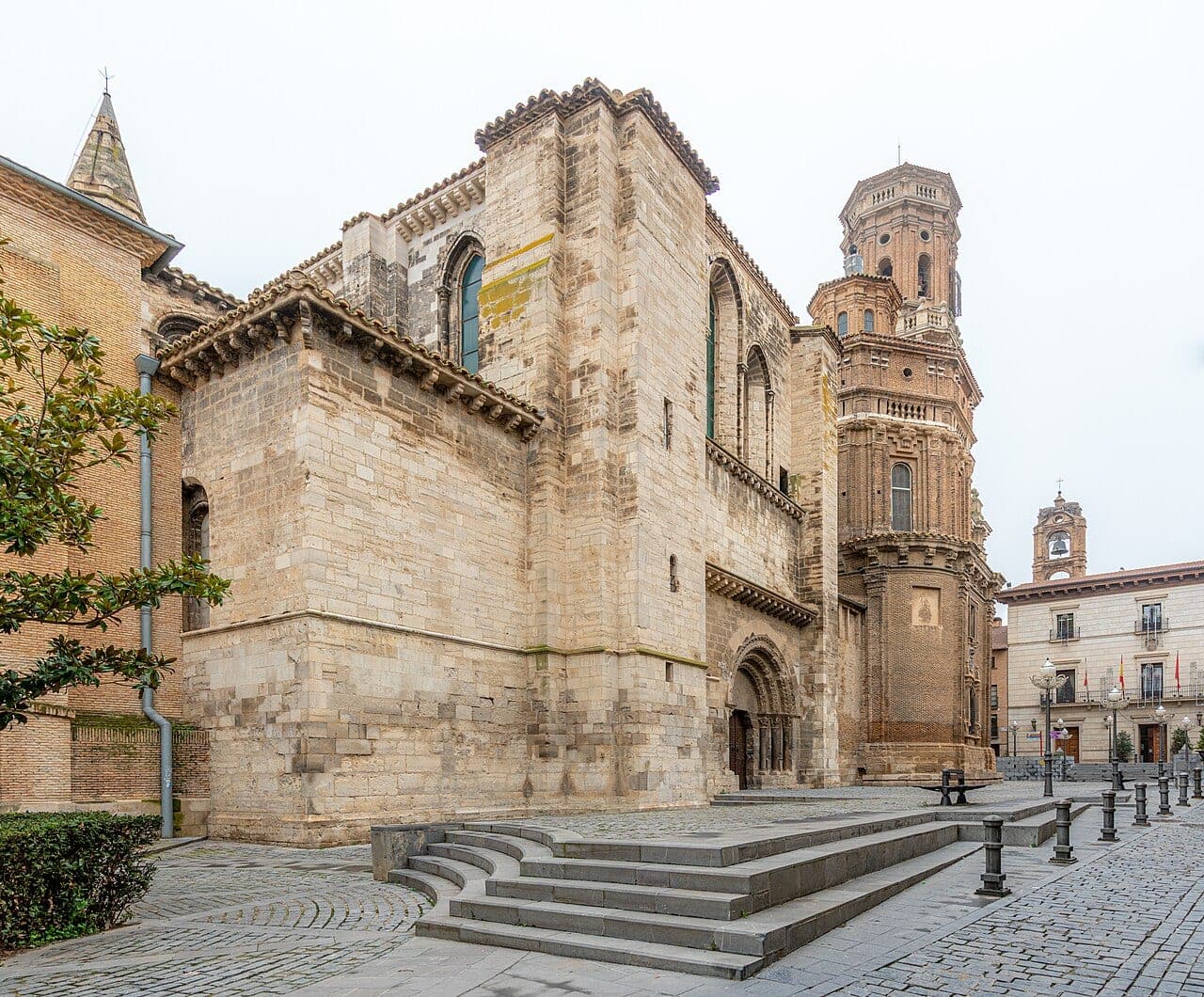
Tudela Cathedral of Santa María
A late Romanesque church of Cistercian inspiration built on the foundations of the Great Mosque, it stands at the heart of Tudela's old town and has been a national monument since 1884.
 Cathedral
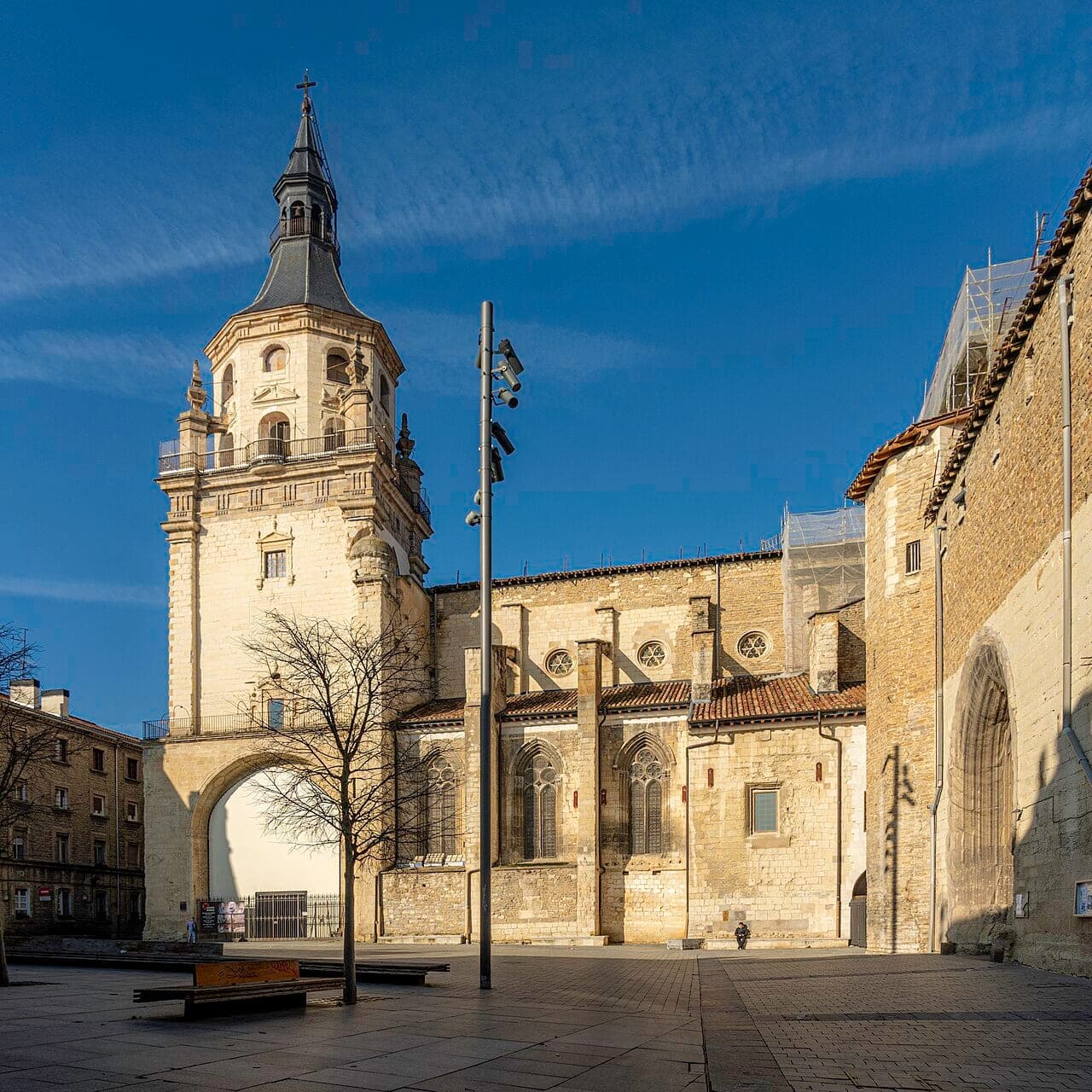
Old Cathedral of Vitoria
Vitoria's old cathedral, a Gothic church that has been a UNESCO World Heritage Site since 2015 as part of the Routes of Santiago de Compostela in Northern Spain.
 Monastery
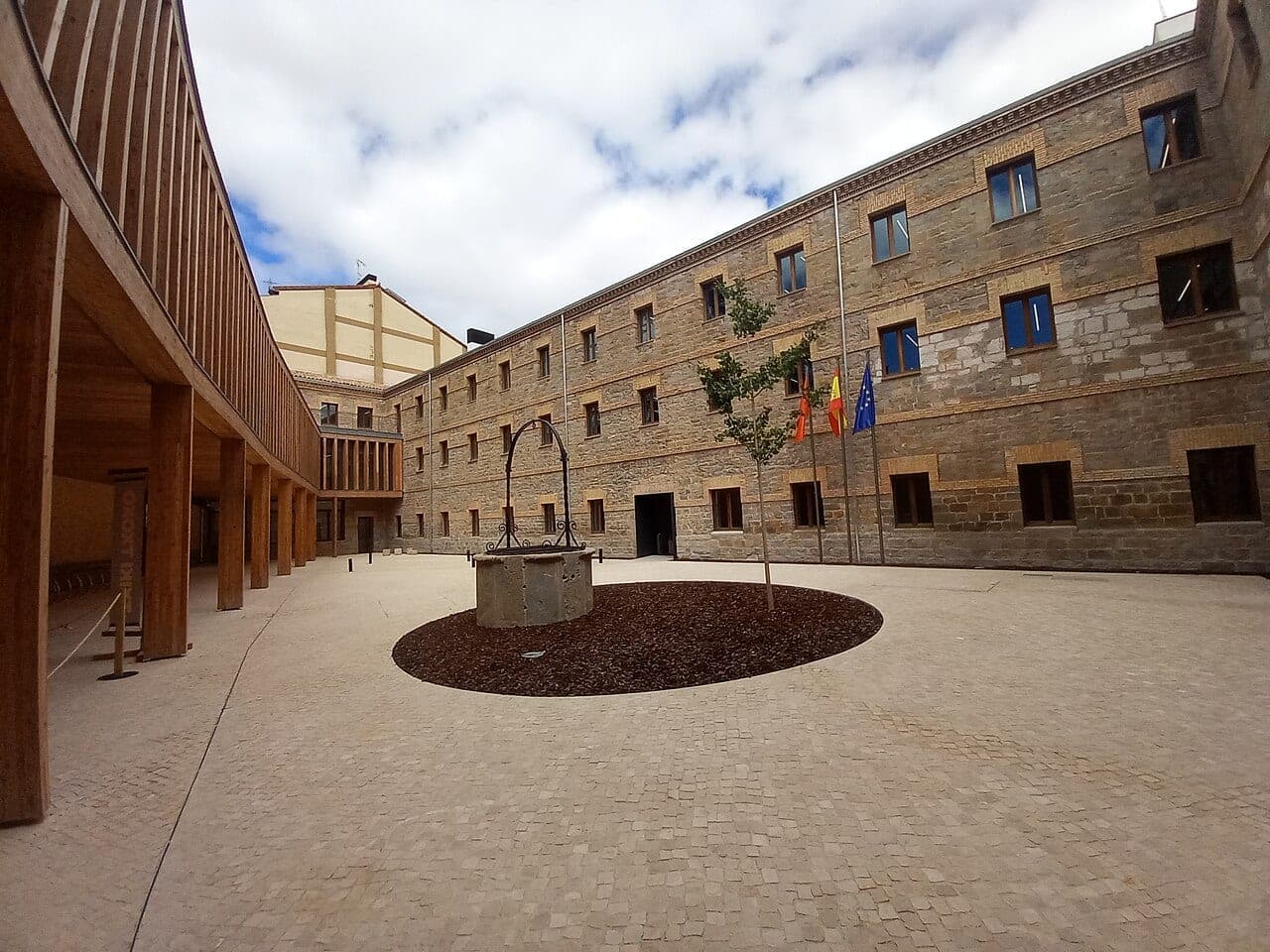
Las Salesas, Pamplona
Former Monastery of the Visitation, built in 1902 by Florencio Ansoleaga in the heart of Pamplona's Old Town and given a new lease of life after the departure of the Salesian nuns.